
Combating The Heat as an Athlete
- Sports Medicine Oregon
- Jun 30
- 3 min read
With the Summer season officially here, summer sports are in full swing. While obviously exciting, the increase in the temperatures can make the same activities that seemed easy or care-free a month or two ago a bigger challenge. Heat-related injuries in athletes have only increased with each passing year, and a combination of rising temperatures and lack of proper safety education has made a large contribution to the issue. According to the EPA (United States Environmental Protection Agency), "temperatures in the contiguous United States have risen by 2.5°F and temperatures in Alaska have risen by 4.2°F." This trend doesn't look to be weakening either. According to their findings, "Heat waves are more frequent, long-lasting, and more intense than they used to be. Their frequency has steadily increased, from an average of two heat waves per year during the 1960s to six per year during the 2010s and 2020s. The average length of the heat wave season across the U.S. cities is 46 days longer now than it was in the 1960s and, in recent years, the average heat wave in major U.S. urban areas has lasted about four days." This is why it's important to make certain you're prepared for the increased demands of the heat for your chosen sport.
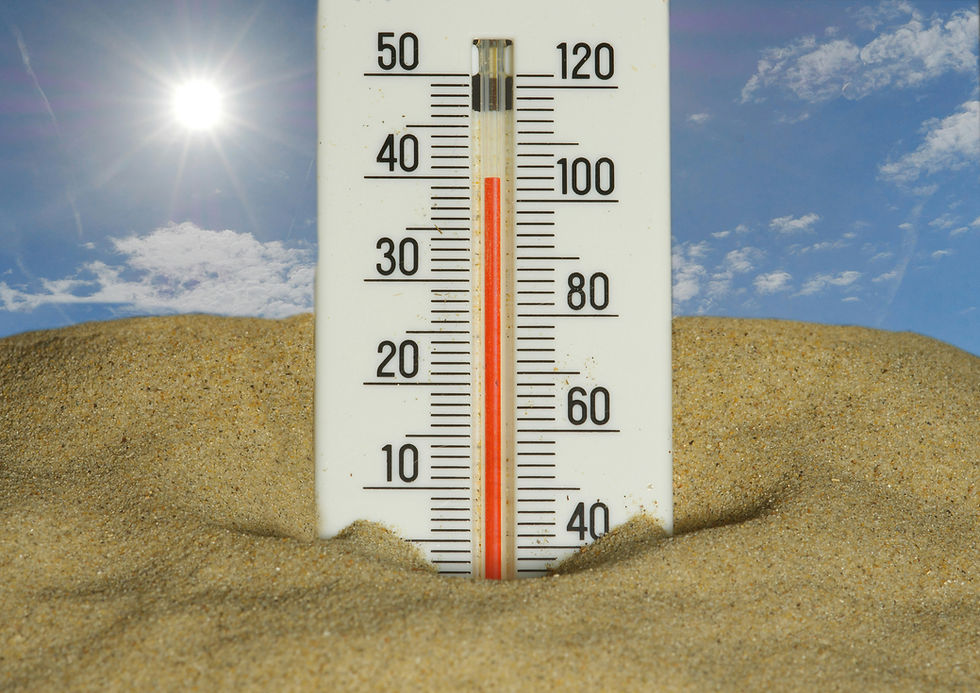
The severity of heat-related injury in athletics can vary and become extremely serious. Per the HRF (Health Research Funding), "Heat stroke from exercise is one of the 3 leading causes of sudden death in sports activities." Athletes participating in outdoor sports are obviously the majority of this statistic, with the chosen sport presenting different levels of danger. For example, a teenager doing competitive swimming is still, of course, at risk for heat-related injury- especially if the pool is not indoors- but a teenager playing soccer nearby would likely feel the effects of the heat quicker and potentially more severely. Many young soccer players in the United States are playing on artificial surfaces like turf, which can elevate the already high temperatures by several degrees.
The specifics of these injuries are tied to the body's internal temperature. According to an article by Hopkins Medicine, heat-related injury is caused by "Exposure to abnormal or prolonged amounts of heat and humidity without relief or adequate fluid intake". This is also a multi-faceted issue. Per the HRF, "Heat injuries occur when the body reaches temperatures of 104 degrees Fahrenheit or higher, which may cause cellular damage after 30 minutes or so of elevated temperatures." Normally, the body responds to this by sweating to cool itself down. However, in extreme temperatures, this can then present its own danger. As stated by the American Academy of Orthopedic Surgeons, "As we perspire, we lose necessary body fluids. If we do not replace these fluids, we become dehydrated. This makes it difficult to sweat and cool down, which can result in a heat injury."

On the positive side, this makes heat-related injury fairly straightforward to treat and prevent against. The HRF states "When body temperatures are rising, the most effective way to treat heat exhaustion is to provide a cooler environment and hydration", with them recommending that cooling is done slow and gradually to avoid shocking the body.
Hydration is naturally the most obvious step everyone thinks of, but it's important to make sure you're effectively taking care of your own. You want to make sure you are drinking more than you usually would on standard workout days, and you want to begin hydrating some time in advance. You should never be waiting until your about to begin your activity, or until you're feeling thirsty, to begin hydrating. Making sure you're getting enough electrolytes is also vital.
If you or another athlete becomes effected by heat-related illness, make sure to help them by following steps to get their body into a cooler state. Depending on location and access, this can include moving them indoors or to a shaded area, giving them water/fluids to help them rehydrate, applying cooling methods like a cold towel or a fan, and getting them medical support if the symptoms seem severe. Per the AAOS, "Common signs of heat exhaustion due to salt depletion are nausea and vomiting, frequent muscle cramps, and dizziness. Additional signs of heat exhaustion include excessive thirst, weakness, headache, and sometimes loss of consciousness." Heat exhaustion, while not life threatening, can very easily result in heat stroke if not properly treated in a timely manner. That's why it's important to take proper care in preparing your body for the heat and recognizing when "simple fatigue" is something more serious. Check out this helpful visual aid from the NATA (National Athletic Trainer's Association) for more specifics on fighting against heat-related injury: hydration_heat_illness_handout.pdf


Comments